12TH CENTURY • FRANCE
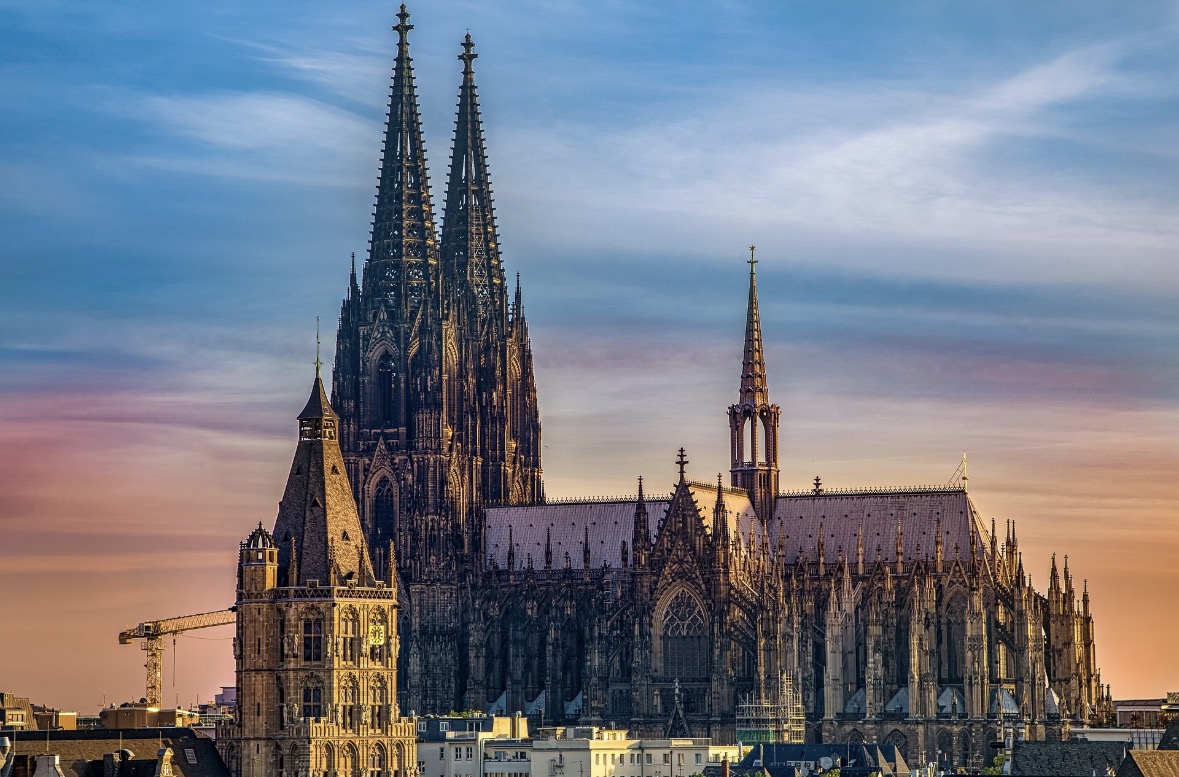
Emerging in the 12th century, Gothic architecture was a radical departure from the heavy Romanesque style. While this era also produced remarkable illuminated manuscripts and panel paintings, the true genius of the period lies in its architecture. The grand cathedrals—with their soaring spires and ethereal light—completely overshadowed contemporary painting, defining the visual identity of the age.
THE PINNACLE OF GOTHIC
A masterpiece of High Gothic architecture. Cologne Cathedral stands as a monumental testament to the structural genius of the era, featuring soaring twin spires, complex flying buttresses, and towering pointed arches that dominate the skyline.
19TH CENTURY • REVIVAL
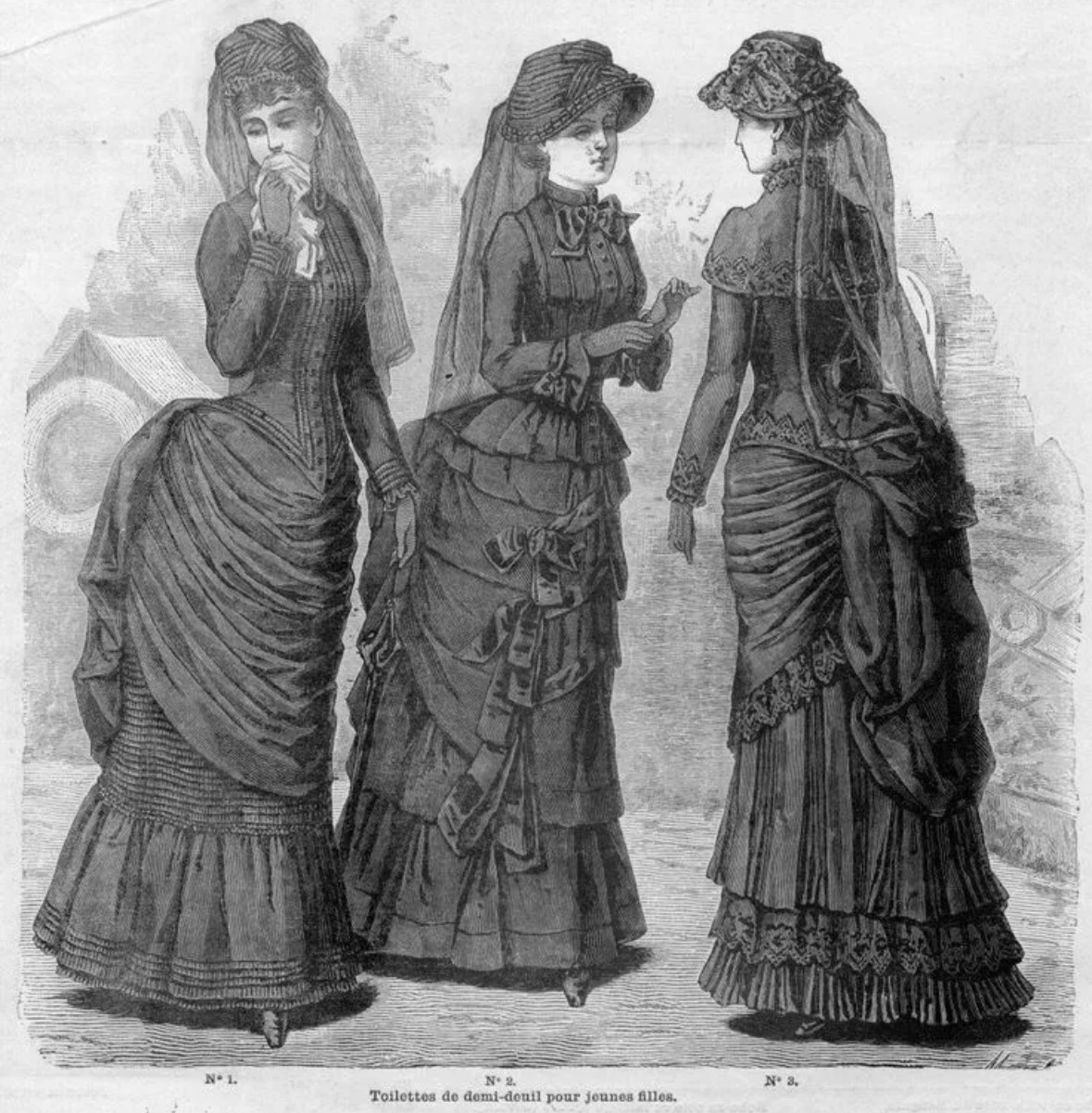
The 19th-century Gothic Revival was deeply intertwined with the era of Queen Victoria. Unlike its medieval predecessor, this movement was no longer just about religious devotion; it became a profoundly personal expression of the macabre and the melancholic. This aesthetic found its most striking manifestation not in stone, but in fashion. The elaborate black mourning dresses, heavy veils, and somber elegance—popularized by the Queen's own lifelong mourning—transformed Gothic into a deeply human, wearable aesthetic.
GOTHIC FASHION
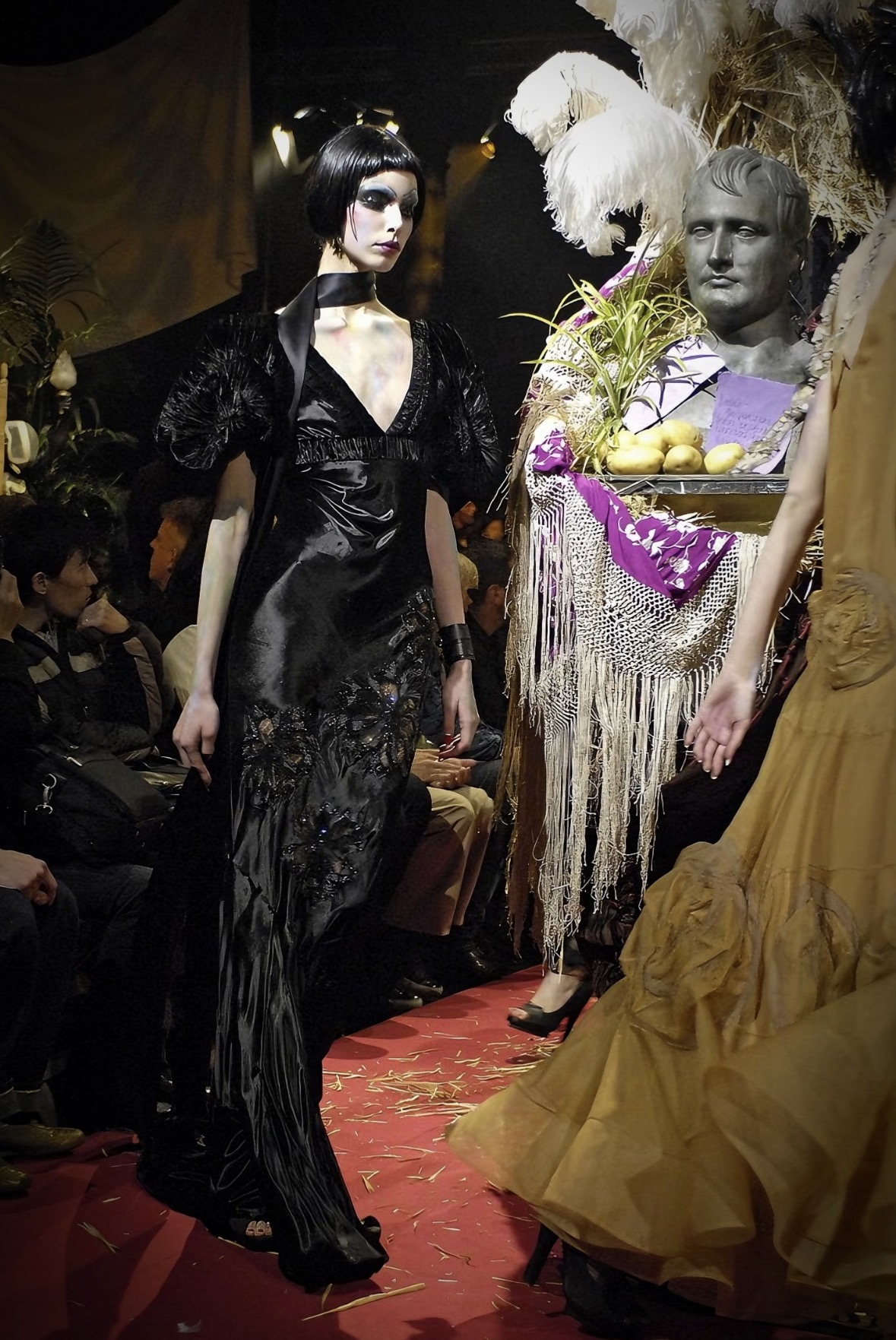
In contemporary culture, Gothic has evolved into a highly influential fashion subculture. Designers like John Galliano have masterfully translated the architectural severity of the past into wearable art. Through high-contrast textures, intricate lace, and theatrical silhouettes, the modern Gothic aesthetic celebrates the beauty of the macabre—turning the darkness of history into a striking personal statement.